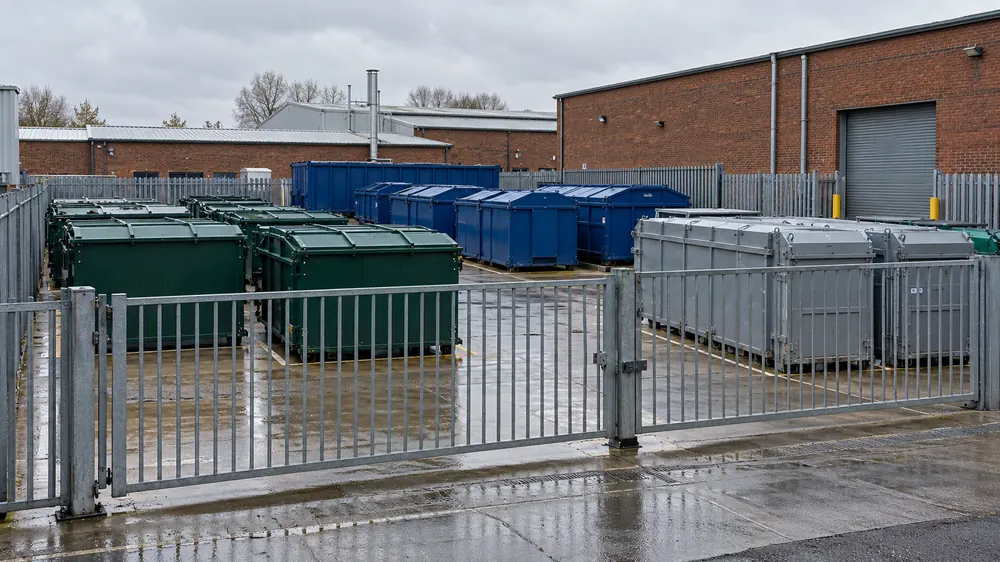
Disposal Starts Before Collection
Asbestos disposal is the final stage of a planned job, rather than a substitute for safe removal. A collection request should say whether waste is still attached to the building, already packaged or loose following damage. Those situations need different assessments and cannot be treated as the same service.
If roof sheets are still fixed to a workshop, ask about removal as well as disposal. If a contractor has already produced waste, ask who is responsible for holding it safely and arranging collection. Agree that responsibility before the work begins.
Describe The Waste Accurately
Useful details include the material type, approximate quantity, current condition and location on the property. An existing survey or laboratory result helps identify what is being handled. Photographs taken from a safe position may help with access planning, but they cannot confirm asbestos content.
Do not break sheets to estimate their volume or make them fit into a vehicle. Do not open sealed packaging to obtain a clearer picture. Tell us what records you have and whether the waste is accessible without moving other suspect materials.
The Rules For Asbestos Waste
GOV.UK lists asbestos as hazardous waste. Businesses handling it in England have waste duty of care responsibilities, with further requirements applying to producers, carriers and receiving facilities. Collection arrangements should use an appropriately registered carrier and a facility authorised to accept the waste.
For hazardous waste movements, the appropriate consignment documentation records the transfer. Ask what paperwork applies to your collection and keep your copy. A carrier’s registration is not the same as an HSE licence for removal work, and neither alone proves a site can receive asbestos waste.
How A Collection Is Arranged
First, identify whether removal, repackaging or specialist clean-up is needed before a collection can happen. Give the property postcode, access details and known material information. The collection scope should say who is responsible for packaging and whether that has been assessed as suitable.
Next, agree a secure holding location and a route for loading. Waste must be appropriately contained and labelled under the relevant arrangements. Packaging and handling should be left to competent people using a method appropriate to the material and its condition.
At collection, check that the recorded quantity and description reflect the actual waste. Keep the transfer or consignment records supplied for the job. If the load differs from the original description, resolve the change rather than assuming the same collection plan still applies.
Access And Temporary Storage
A clear collection route matters in business parks, shared commercial yards and premises with restricted rear access. Tell us about narrow gates, stairs, loading restrictions and any requirement to cross a neighbouring unit. These are planning details to resolve before a vehicle arrives.
Waste should be held securely so people cannot accidentally disturb it. Do not place suspect material in an ordinary skip or mix it with general building waste. If an existing package has split, keep away from it and explain the damage so the assessment can account for it.
What Affects Disposal Cost
The type and quantity of waste, packaging condition, handling requirements and collection access affect the quotation. Material that is loose or damaged may require additional assessment and controls. Distance to a suitable receiving facility can also affect the collection plan.
Ask whether the price covers loading, transport, the receiving facility and the relevant documentation. Confirm whether the service includes lifting waste from its current position or collecting only from an agreed accessible point. These boundaries are especially important when comparing a collection with a full removal quotation.
Commercial Waste And Receiving Facilities
Acceptance arrangements for commercial asbestos waste differ between receiving facilities. Before arranging transport, check directly that the facility accepts the waste type and quantity, and confirm booking requirements and material restrictions. Contractors and premises managers should agree the receiving facility as part of the collection plan.
A planned commercial collection can be assessed using your premises details and the condition of the waste. Provide the site contact, collection access and any existing waste records so the scope can be agreed. If you are unsure whether you have asbestos, discuss testing before assuming a disposal route.
Keep a record of what left the property and where it came from. Where the waste arose from removal, update the building’s asbestos records as well. Our removal page covers attached materials, while our testing page explains how a suspect product is identified before work.
Further Guidance
HSE: The Survey Guide ↗HSE: The Analysts’ Guide ↗HSE: Work Categories ↗GOV.UK: Hazardous Waste ↗Your Questions, Answered
Can Asbestos Go In A General Skip?
Asbestos waste should not go in a general skip or be mixed with ordinary rubble. It needs suitable containment and an authorised disposal route. Tell the collection provider what the material is and whether it is loose, damaged or packaged, so the handling and paperwork can be planned before collection.
Does A Collection Include Removing A Roof?
An asbestos disposal collection does not automatically include removing a roof or dismantling a building. The quotation should state whether it covers attached materials, packaging, loading and transport. If the sheets are still fixed in place, request a removal assessment and explain the roof access before arranging disposal.